
Looking after your Nissan battery is essential for safety, reliability and long-term performance. At D S Dalgleish, we help Nissan drivers across Coldstream, Galashiels and the Scottish Borders understand how to care for, maintain and correctly dispose of vehicle batteries.
Whether your Nissan uses a traction battery, a portable battery or an SLI battery, following the correct maintenance and recycling guidance can help extend battery life, reduce waste and support more sustainable motoring.
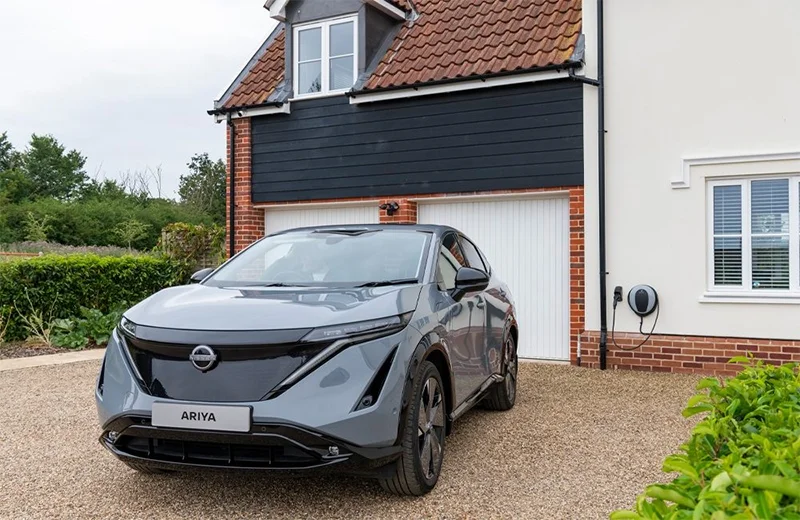
There are several different battery types used in Nissan vehicles and related systems. Each has a different purpose and requires the right care and disposal process.

Responsible battery care helps improve vehicle reliability and can extend battery lifespan. Correct recycling also reduces the environmental impact of hazardous chemicals and helps recover valuable raw materials such as lithium, cobalt and nickel.
To help maximise the life of a Nissan traction battery, charge it before it becomes fully discharged and avoid overcharging. Always use the manufacturer-approved charger and ensure charging equipment is compatible with your vehicle.
Temperature control is also important. Keep the battery within the manufacturer-recommended temperature range and store the vehicle in a cool, dry place when not in use.
If a vehicle is stored for a long period, check the battery charge level regularly. If performance significantly declines, the battery may need professional inspection, repair or replacement.
Portable batteries should be kept away from extreme temperatures and moisture. Store them in cool, dry conditions to help maintain performance and reduce the risk of failure.
Handle portable batteries carefully to avoid damage to the casing or connectors. Do not drop them or expose them to heavy impacts.
If a portable battery no longer holds charge effectively or no longer meets the power needs of the device, it should be replaced and recycled at a designated collection point.
SLI batteries should be kept properly charged, especially during periods of inactivity and throughout the winter months. Avoid allowing the battery to become fully discharged, as this can shorten its lifespan.
Regularly inspect the battery for corrosion, loose terminals or physical damage. Poor connections can lead to starting problems and reduced charging performance.
If you notice signs such as difficulty starting the engine, dimmed lights or visible battery damage, it may be time for a replacement.
If you notice smoke, heat, unusual smells or strange sounds from a battery, move away immediately and contact the emergency services.
If battery fluid or acid comes into contact with the eyes, rinse immediately with water for at least 15 minutes and seek urgent medical attention.
If battery material touches the skin, wash the area thoroughly with water and soap and seek medical advice straight away.
Waste batteries must never be disposed of with household waste. Correct recycling helps prevent hazardous substances from entering soil and water and supports the recovery of reusable raw materials.
D S Dalgleish supports responsible battery disposal and encourages Nissan drivers to use approved take-back and recycling services wherever possible.
Portable batteries can usually be dropped at public collection points, while SLI batteries can be returned to a Nissan dealer or other licensed recycling facility. End-of-life traction batteries should be handled through approved specialist recycling partners.
If you need battery advice, battery replacement or Nissan aftercare support, contact D S Dalgleish for professional assistance across Coldstream, Galashiels and the Scottish Borders.
Nissan vehicles may use traction batteries, portable batteries and SLI batteries, depending on the model and battery function.
You can help extend battery life by following manufacturer charging guidance, avoiding extreme temperatures, checking the battery regularly and replacing damaged or worn batteries when needed.
No. Car batteries must not be disposed of with domestic waste. They should be returned to a suitable collection or recycling point for safe disposal.
Depending on battery type, you may be able to recycle your battery through a Nissan dealer, a public collection point, a civic amenity site or an approved authorised treatment facility.
Move to a safe distance immediately, avoid contact with any leaking substance or fumes, and contact the emergency services if required.
Yes, D S Dalgleish can help with Nissan battery advice, aftercare support and professional battery replacement services.
Battery care and disposal guidance is provided for general information only and should always be read alongside the relevant Nissan owner’s manual and manufacturer recommendations.
Battery handling, charging, storage, inspection and disposal requirements may vary depending on the specific battery type, vehicle model and product specification.
Traction batteries, portable batteries and SLI batteries must be handled and recycled using the appropriate approved processes. Waste batteries must not be disposed of with domestic waste.
D S Dalgleish recommends that large lithium batteries, damaged batteries and end-of-life electric vehicle batteries are only handled by qualified professionals and approved recycling partners.
Information may be subject to change. Please contact D S Dalgleish for the latest Nissan battery guidance and aftercare support.